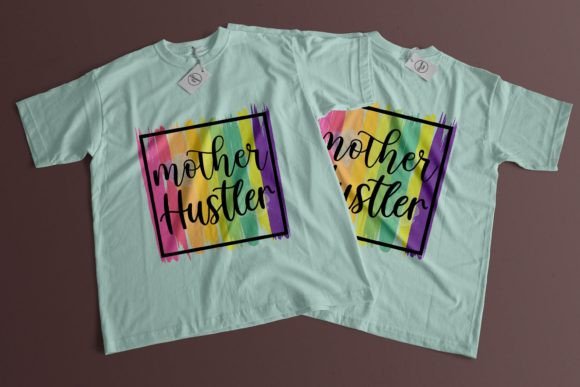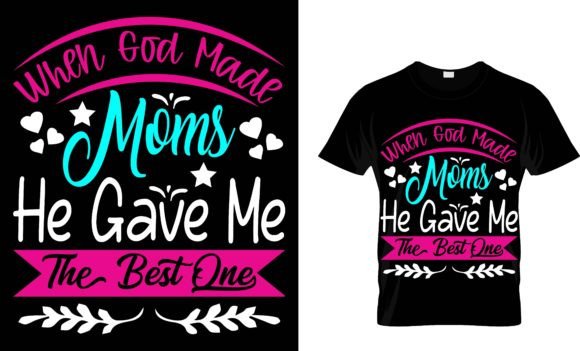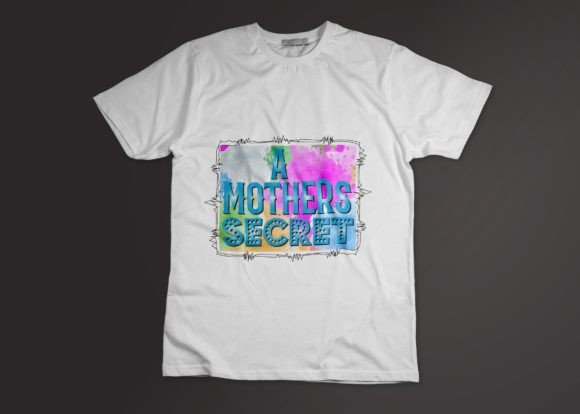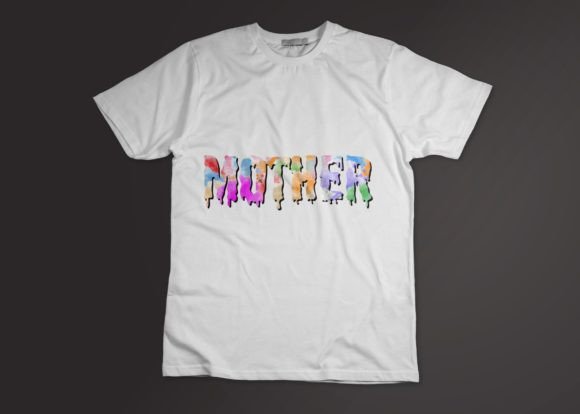
Reviewing the Mother Sublimation Design for Embroidery
As a designer who has spent years digitizing patterns and reviewing countless machine embroidery design files, I approach every new asset with a critical eye. It is not just about whether the image looks pretty on a screen; it is about how it translates into thread, how it sits on fabric, and whether it holds up under the needle of an industrial or home machine. Recently, I evaluated the Mother Sublimation Design, a piece categorized under Print Templates and Graphics. While sublimation is primarily a printing process, many of us in the craft industry look at these high-quality graphic assets to understand their potential for hybrid projects or as inspiration for digitized versions. Here is my practical assessment of how this design performs in real-world scenarios.
First Impressions and Visual Personality
The first thing that strikes you about the Mother Sublimation Design is its emotional resonance. It does not rely on cluttered details or overly complex shading that often fails in translation. Instead, it offers a clean, heartfelt aesthetic that speaks directly to the buyer’s desire for meaningful connection. The layout is balanced, with a visual personality that feels warm yet professional. For an embroidery designer, this clarity is crucial. When I look at a graphic intended for sublimation, I am immediately thinking about how those smooth gradients and sharp lines would need to be interpreted if I were to convert them into a stitch file.
The mood is nurturing and celebratory, making it an ideal candidate for projects centered around family, gratitude, and personal milestones. The detail level is moderate, avoiding the tiny, fragile elements that often break during washing or wear. This suggests that if one were to create an applique design or a filled stitch version based on this graphic, it would remain durable and legible even on textured fabrics.
Real-World Application: The Custom Tote Bag Scenario
To truly test the viability of any design, I imagine it on a specific product. Let’s consider a custom embroidered tote bag, a staple for any Etsy seller or craft business. Imagine using the core motif from the Mother Sublimation Design as the central element on a heavy canvas tote. Because the original graphic is designed with high quality in mind, the shapes are distinct. In a real embroidery project, this translates well to a combination of satin stitch borders and fill stitch interiors.
If I were producing this for a client, I would focus on the contrast. The design’s inherent simplicity allows it to stand out against natural cotton or linen. For a personalized gift, such as a Mother’s Day present, this design offers immediate recognition. Customers do not want to squint to understand the message; they want instant emotional impact. The Mother Sublimation Design delivers this by keeping the focal point clear, ensuring that the finished product looks professional rather than amateurish.
Versatility Across Product Lines
Beyond tote bags, this graphic has significant potential across various design assets for small shop owners. Consider sweatshirt embroidery. A crewneck sweatshirt provides a large, flat surface area where the design can breathe. Here, the softness of the theme complements the cozy nature of the garment. For baby embroidery, such as a onesie or a burp cloth, the design must be scaled down carefully. Since the original is a high-quality graphic, it likely retains its integrity when resized, but one must always check for tiny details that might become lost in the pile of terry cloth or fleece.
For those running a small shop product line, this design could also serve as the basis for an embroidered patch. Patches require bold outlines and limited color palettes to keep production costs manageable. The visual structure of the Mother Sublimation Design supports this kind of simplification. It also works well for holiday embroidery projects, particularly for Mother’s Day or birthdays, where the demand for themed, ready-to-stitch files peaks.
Technical Considerations and Limitations
While the design is visually strong, there are areas where caution is necessary. If you are planning to digitize this graphic or use it as a reference for a digital embroidery file, pay close attention to stitch density. Sublimation designs often feature smooth color transitions that do not exist in thread. You cannot simply print thread; you must simulate depth through stitch direction and color blending. Therefore, avoid placing this design on highly textured fabrics like thick wool or corduroy without testing, as the texture can distort the perceived shape of the stitches.
Additionally, be mindful of hoop size constraints. If you are working with a 4x4 inch hoop, you may need to crop or simplify the design to ensure it fits without compromising the main message. On curved surfaces like caps, the design might distort if it is too wide. In such cases, splitting the design or choosing a simpler variant is advisable. Always use the appropriate stabilizer—cut-away for stretchy fabrics like t-shirts and tear-away for stable wovens like pillow covers—to prevent puckering.
Enhancing Brand Value and Customer Trust
Using high-quality graphics like the Mother Sublimation Design elevates the perceived value of your handmade product. When customers see crisp, well-executed embroidery, they associate it with professionalism and care. This builds trust, which is essential for repeat business. Whether you are selling custom apparel or decorative home items like pillow covers and tea towels, the consistency of your design quality reflects your brand identity.
For commercial embroidery projects, such as bulk orders for boutique branding, the reliability of the design is paramount. A design that stitches out cleanly reduces waste and rework, directly impacting your bottom line. The Mother Sublimation Design, with its thoughtful composition, minimizes the risk of thread breaks or messy jump stitches, provided it is properly digitized.
Practical Notes for Designers
Before committing to a full production run, always test the design on scrap fabric. Check your thread colors against the fabric background to ensure sufficient contrast. If you are creating a printable mockup for your online store, use the original graphic to showcase the concept, but clearly label the final item as embroidered to manage customer expectations. Verify the licensing terms if you plan to sell the digital embroidery file itself or finished items commercially. Since the source is a sublimation design, ensure you have the rights to adapt it for embroidery use.
In summary, the Mother Sublimation Design is a robust asset for creators who value quality and emotional connection. By understanding its strengths and limitations, you can leverage it to create stunning, marketable products that resonate with your audience.