Reviewing Firefighter T-shirt Design 36 for Real Stitching
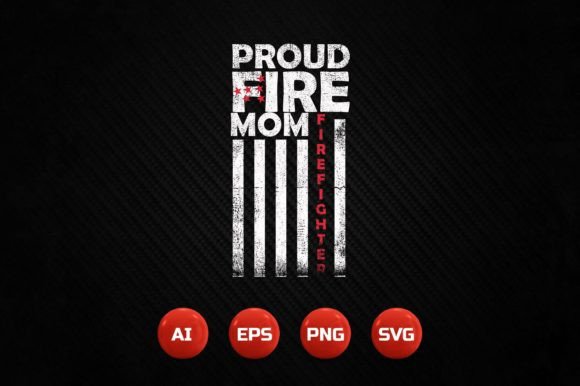
As a designer who spends half my life digitizing and the other half staring at hoop marks on fabric, I have learned that a pretty picture on a screen does not always translate to a quality finished product. When I first pulled up Firefighter T-shirt Design 36, my initial reaction was cautious optimism. The theme is bold—PROUD FIRE MOM FIREFIGHTER—and it carries an emotional weight that sells well in the custom apparel market. But does it hold up under the needle? Let’s break down how this graphic performs when moved from a digital asset to a tangible handmade product.
First Impressions and Visual Personality
The design centers on a strong, declarative message. For embroidery designers and Etsy sellers, clarity is king. This layout relies on clean lines and distinct shapes, which is a good sign. Since the item description notes that these are 100 vector shapes resizable, the foundation is solid. In the world of T-Shirt Designs and Graphics, vector scalability means you can adjust the size without losing edge definition. However, embroidery is not printing. We are dealing with thread tension, fabric pull, and stitch direction.
The mood here is proud and protective. It fits naturally into the niche of family-centric emergency service appreciation. Visually, it feels balanced, but the real test is how those shapes convert into satin stitch or fill stitch areas. If the original graphic has tiny, intricate details, they might get lost in translation. My advice is to inspect the conversion carefully. If you are working from the provided AI, EPS, PNG, or SVG files, you will need to ensure your digitizing software interprets the curves smoothly to avoid jagged edges in the final embroidery project.
Real-World Application: The Custom Sweatshirt Test
To evaluate Firefighter T-shirt Design 36 properly, I imagined a specific client request: a custom sweatshirt embroidery piece for a firefighter’s mother. This is a common, high-value order. The fabric is thick, textured, and forgiving, which makes it an ideal candidate for testing larger designs.
When placing this design on a heavy cotton blend, the boldness of the text works in your favor. The thread colors chosen here matter immensely. A classic red and gold palette pops against navy or heather gray, creating a professional look that builds customer trust. Because the design is described as having easy color changes, you can adapt it for different departments or personal preferences without re-digitizing the entire file. This flexibility is crucial for small shop products where customization is the main selling point.
I also considered using this as a tote bag design. Tote bags often use canvas or denim, which are sturdy enough to handle dense stitching. However, you must be mindful of the hoop size. If the design is large, ensure your machine can accommodate the dimensions without distorting the fabric. A warped tote bag looks amateurish, no matter how beautiful the thread work is.
Navigating Fabric and Stitch Challenges
While this design shines on sweatshirts and totes, there are scenarios where you should proceed with caution. If you plan to use this on a baby embroidery item, such as a onesie or soft blanket, you must reduce the scale significantly. Small hoops mean less room for error. Tiny lettering can become illegible if the stitch density is too high, causing the fabric to pucker or the threads to merge.
Textured fabrics present another challenge. If you are stitching on a waffle-knit towel or a ribbed cap, the underlying texture can interfere with the smooth appearance of satin stitch borders. In these cases, a proper stabilizer is non-negotiable. For stretchy fabrics like performance tees, use a cut-away stabilizer to prevent the design from shifting during wear and washing. Always test the design on scrap fabric first. This simple step saves you from ruining expensive garments and helps you dial in the tension settings.
Dark fabrics require special attention to contrast. If you are stitching white or light-colored thread on black fabric, ensure your digitizing includes proper underlay stitches to prevent the background fabric from showing through the top stitches. This attention to detail elevates your custom apparel from hobbyist level to professional grade.
Commercial Viability and Brand Consistency
For craft business owners, the versatility of Firefighter T-shirt Design 36 is a major asset. It can be adapted for holiday embroidery gifts, such as Christmas ornaments or festive aprons, by simply changing the thread palette to seasonal colors. It also works well for embroidered patch creation, provided you use a stiff stabilizer and dense border stitching to keep the edges clean after cutting.
When listing this as a digital embroidery file or selling finished items, transparency is key. Since the product includes AI, EPS, PNG, and SVG formats, it is primarily a graphic resource. If you are selling the physical stitched item, you are adding value through your craftsmanship. If you are selling the digital file for others to embroider, ensure you clarify that the buyer needs to digitize it or that it is ready for print-to-embroidery conversion, depending on your specific workflow. Always confirm licensing terms before selling design assets commercially.
The visual appeal of this design supports brand consistency for shops specializing in first responder merchandise. It looks professional in printable mockup previews, helping customers visualize the final product. High-quality mockups combined with a well-executed stitch-out can significantly boost buyer engagement and conversion rates.
Final Designer Notes
Before you commit to a full production run of Firefighter T-shirt Design 36, take these practical steps:
- Check Stitch Density: Ensure the fill areas are not too dense for lightweight fabrics.
- Test Color Contrast: View the design in black and white to check for legibility issues.
- Verify Hoop Compatibility: Confirm the resized dimensions fit your standard hoops.
- Inspect Small Details: Zoom in on the vector shapes to identify any potential jump stitches or thin lines that may break.
- Use Proper Stabilizer: Match the stabilizer type to the fabric weight and stretch.
In conclusion, Firefighter T-shirt Design 36 is a strong contender for your commercial embroidery portfolio. It offers emotional resonance, visual clarity, and technical flexibility. By respecting the limitations of your materials and machines, you can turn this graphic into a standout personalized gift or a best-selling small business merchandise item. Treat it with the care it deserves, and it will serve your craft well.