Review: Grumpy Little Cheetah Being Angry at Mom
As a designer who has spent countless hours digitizing and stitching out animal motifs, I have learned that personality sells. Technical perfection is important, but it is the character of a design that makes a customer stop scrolling on Etsy or pick up a product at a craft fair. When I first loaded the Grumpy Little Cheetah Being Angry at Mom file into my software, I was not just looking at lines and nodes; I was looking for attitude. This design delivers exactly that—a humorous, relatable moment captured in a stylized form that translates surprisingly well to thread.
First Impressions and Visual Personality
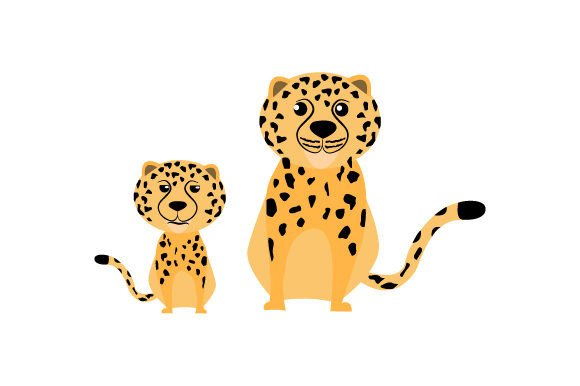
The immediate appeal of this piece lies in its expressive simplicity. The cheetah is not depicted in a realistic, wildlife-documentary style, which would be notoriously difficult to stitch cleanly on home machines due to excessive detail. Instead, it leans into a cartoonish, graphic aesthetic. The "angry" expression is conveyed through subtle brow lines and posture rather than complex facial shading. For an embroidery project, this is a win. It means fewer jumps, cleaner fills, and a higher likelihood of success on various fabric textures.
The layout feels balanced, with a clear focal point that draws the eye immediately. Whether you are using this as a standalone motif on a sweatshirt or integrating it into a larger scene, the visual weight is distributed in a way that prevents the design from looking lopsided after stitching. The theme taps into the popular "sassy animal" trend that has dominated the handmade market for years, making it a safe yet fresh choice for craft business owners looking to expand their catalog.
Real-World Application: The Tote Bag Test
To truly evaluate a design, you must imagine it on a finished product. I visualized this cheetah on a natural canvas tote bag. Canvas has a distinct weave, and lighter thread colors can sometimes get lost if the stitch density is too low. However, because this design relies on bold shapes rather than fine gradients, it holds up well. I imagined using a contrasting thread color for the outline—perhaps a dark charcoal or deep brown—to make the cheetah pop against the beige background.
Beyond totes, this design shines in custom apparel. Picture it on the left chest of a oversized hoodie or centered on the back of a toddler’s t-shirt. The humor of a baby animal being "angry at mom" resonates deeply with parents who deal with tantrums daily. It transforms a standard garment into a conversation starter. For Etsy sellers, this kind of emotional connection drives sales. It is not just a shirt; it is a nod to the chaotic reality of parenting, stitched with precision.
Technical Considerations for Stitching
While the design is forgiving, it is not without its technical demands. As an experienced reviewer, I always advise checking the stitch density before hitting "start." Dense areas, such as the body of the cheetah, may require a cut-away stabilizer if you are working with stretchy fabrics like jersey knits. If you are stitching on a woven cotton, a tear-away might suffice, but do not risk puckering by skimping on stabilization.
The file formats provided—SVG, Transparent PNG, EPS, and DXF—suggest versatility beyond just machine embroidery. The SVG and EPS files are vector-based, meaning they can be scaled infinitely without losing quality, which is crucial if you plan to use the image for printable mockups or vinyl cutting. The Transparent PNG is ideal for digital product previews, allowing you to place the cheetah over different colored backgrounds to show customers how it looks on black, white, or pastel garments.
However, note that these are not native machine embroidery formats like PES or DST. You will need to convert these vector or image files into a stitch file using your preferred digitizing software or a conversion tool. This step is critical. Automatic conversion can sometimes create messy jump stitches or overly dense satin stitch borders. I recommend manually reviewing the pathing after conversion to ensure efficient stitching order.
Fabric and Hoop Constraints
Where should you use this design carefully? Small hoop sizes can be tricky if the design is large. Always measure the actual dimensions of the converted stitch file against your hoop capacity. If you are attempting to shrink it down for a baby onesie, watch out for tiny details becoming indistinct. Satin stitch columns that are too narrow may break or look sparse. Conversely, if you enlarge it significantly for a pillow cover, ensure the fill stitch pattern does not become too repetitive or visible.
Textured fabrics like terry cloth towels or fluffy fleece require special attention. The "angry" expression relies on clean lines. On high-pile fabrics, small details can get swallowed by the texture. In such cases, consider using an applique technique where the cheetah shape is cut from fabric and then stitched down, rather than relying solely on thread fill. This reduces bulk and ensures the design remains crisp.
Commercial Viability and Brand Consistency
For small shop owners and creative entrepreneurs, consistency is key. This design fits seamlessly into a broader Animals category without feeling generic. It adds a layer of humor that can define a brand’s voice as playful and approachable. When creating holiday embroidery collections, this piece could easily be adapted with seasonal accessories—a Santa hat or pumpkin—to extend its shelf life throughout the year.
Customer trust is built on quality. A poorly stitched design reflects badly on the maker. Because this design has clear boundaries and manageable complexity, it allows even intermediate embroiderers to produce professional-looking results. This reliability helps build a reputation for high-quality handmade products. Whether you are selling embroidered patches, aprons, or nursery decor, the clarity of this design ensures that the final product looks intentional and polished.
Final Designer Notes
Before committing to a production run, always test the design on scrap fabric identical to your final material. Check thread color contrast; a monochrome look can be chic, but ensure there is enough difference between the thread and fabric for the details to be visible. Inspect small corners and curves for potential bird nesting or thread breaks.
Also, verify the licensing terms associated with the original asset. While the file formats suggest broad usage rights for design assets, commercial embroidery often has specific restrictions. Confirm whether you can sell finished items or if the license is limited to personal use. Once cleared, this Grumpy Little Cheetah Being Angry at Mom design is a robust addition to any digital embroidery file library, offering both charm and practical ease of use for your next craft project.